
Last updated October 16, 2026
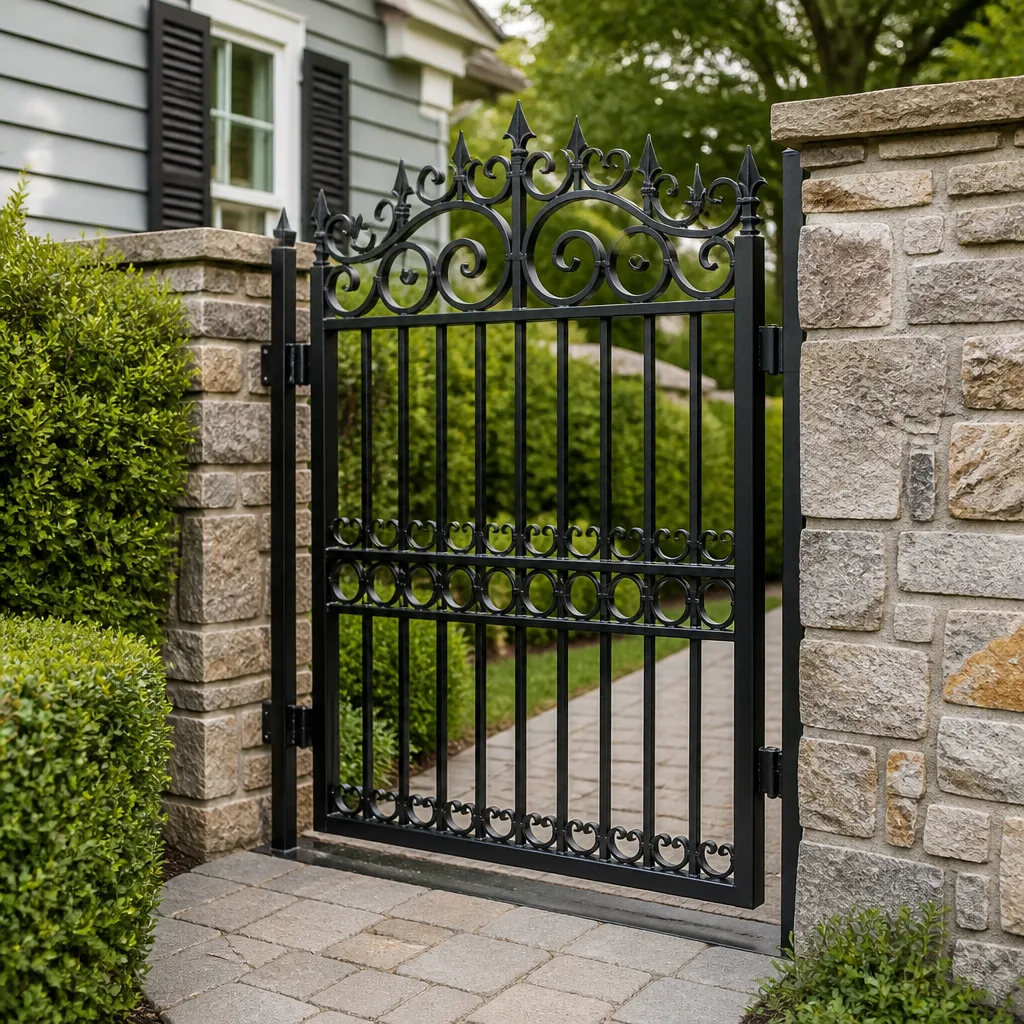 Wrought iron
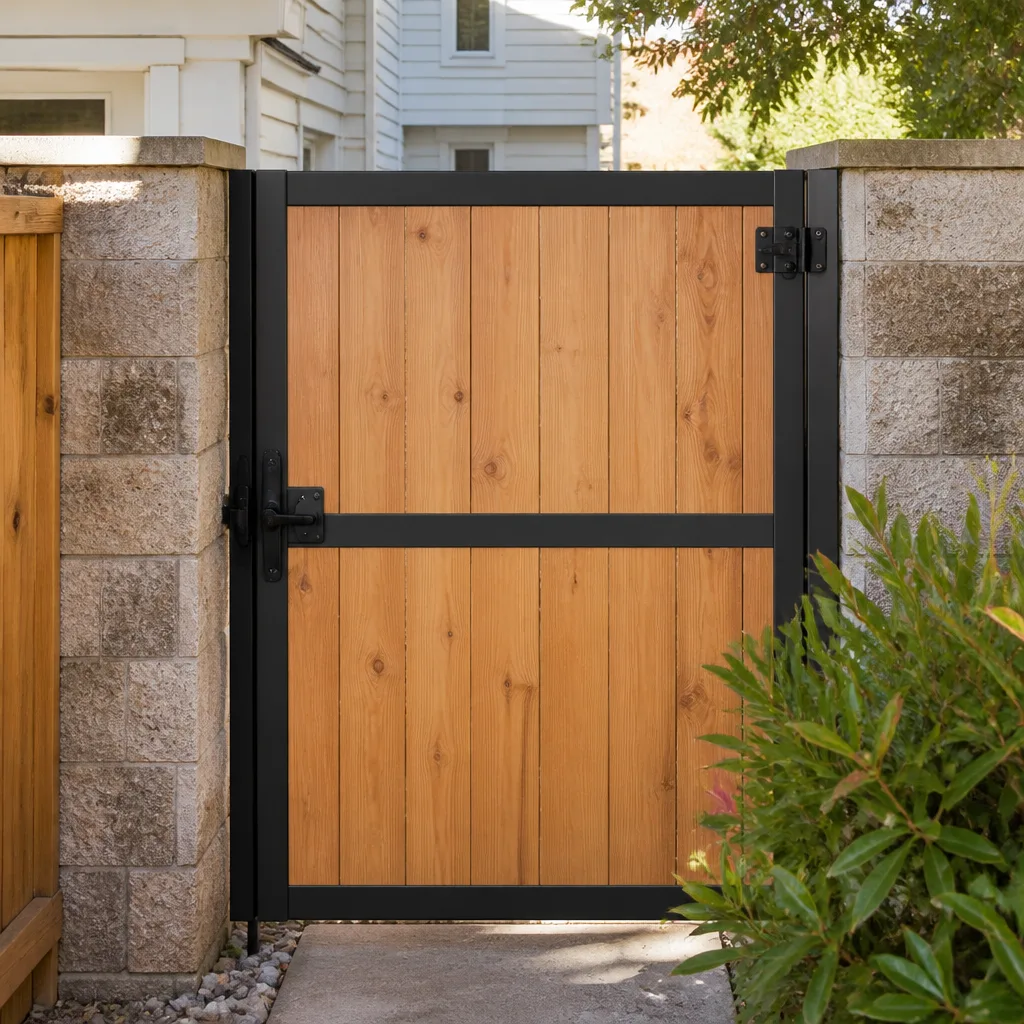 Wood & steel frame
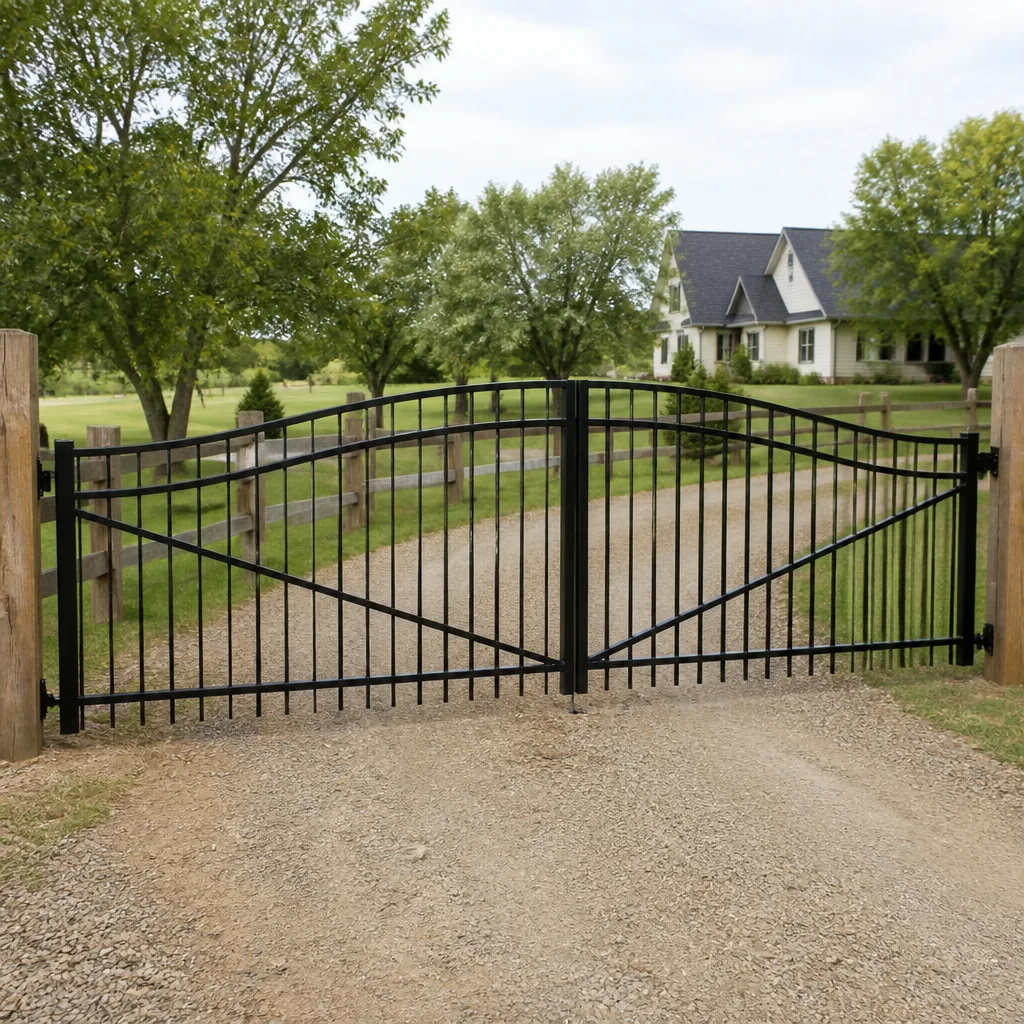 Farm & ranch
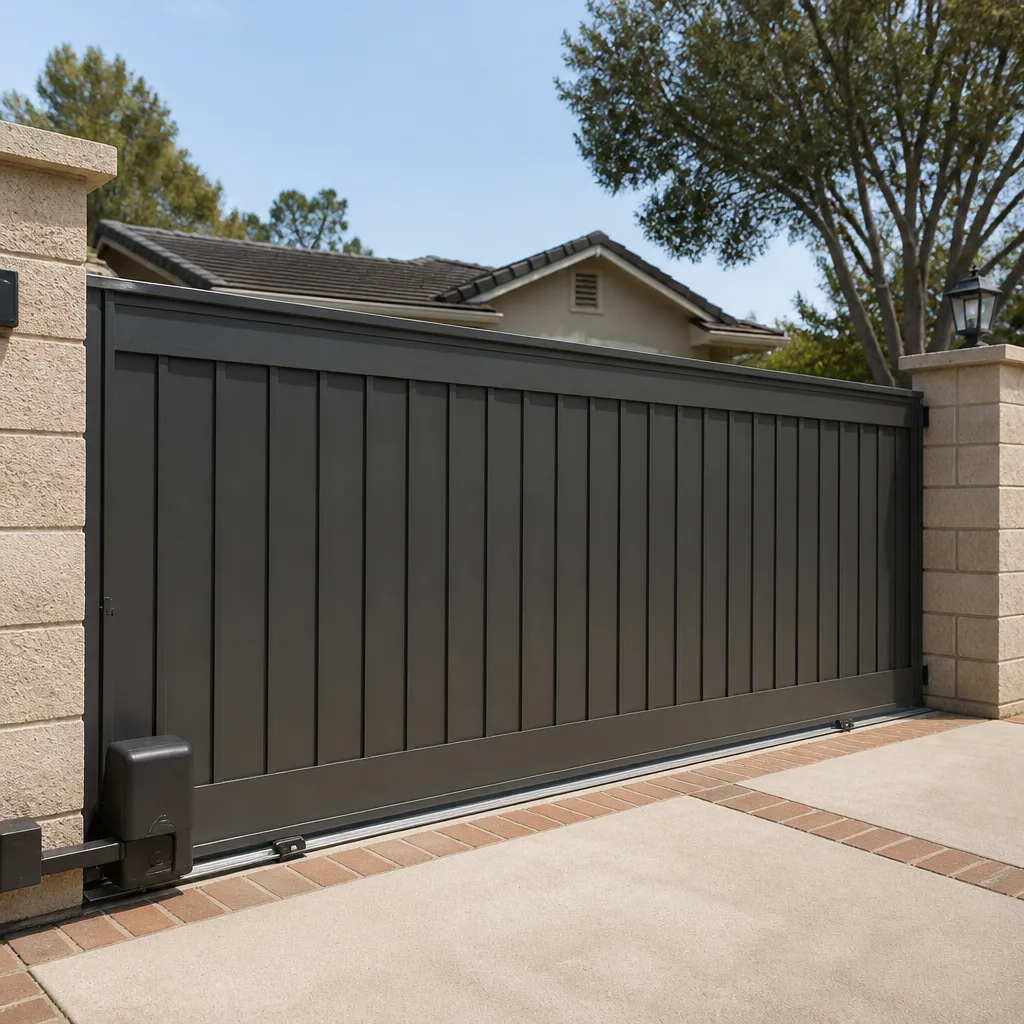 Sliding driveway gates
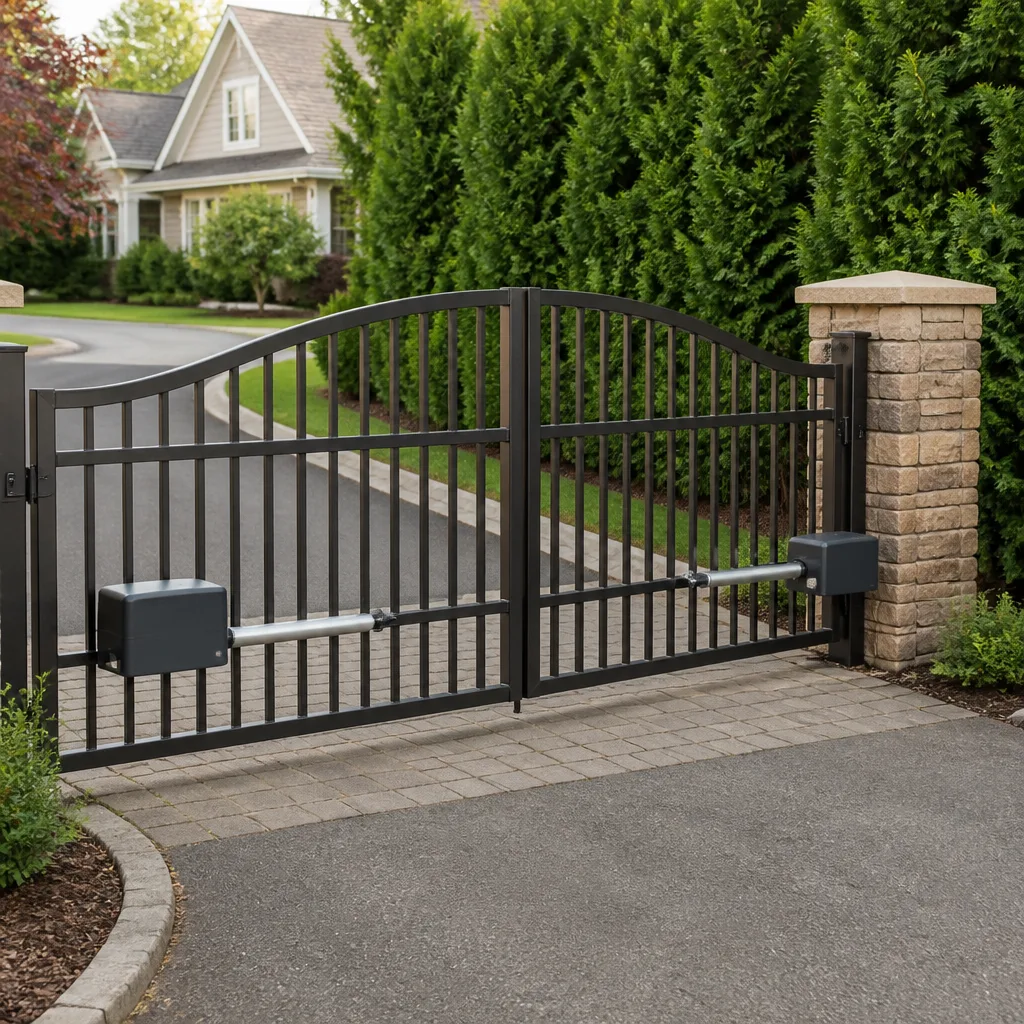 LiftMaster operators
Free on-site gate assessment - hinges, posts, and your LiftMaster or Nice gate operator checked before anything is quoted
The assessment is free and the quote is the invoice.
Get your free estimateGate Repair Permits, Codes & Inspections in FL: What You Need to Know
Here’s a scenario we see too often in Miami: a homeowner swaps out an old gate operator for a new one, pays cash to a handyman, and thinks nothing of it for three years. Then they list the house. The buyer’s 4-point inspection flags the gate as an unpermitted alteration, the title company pauses closing, and a $900 repair becomes a $3,400 permitting headache. Florida Building Code Section 1008 draws a line between a repair and an alteration, and that line is thinner than most people assume. This guide maps exactly where that line sits in Miami-Dade County, what UL 325 requires, how HOAs fit in, and what to do if an unpermitted gate shows up during a sale. For professional help, see our Gate Repair services.
Styles & brands we work with
Quick Answer
In Florida, replacing a like-for-like gate component is generally a repair and does not require a permit, but changing the operator type, adding entrapment protection devices, or modifying the gate’s path of travel is an alteration that requires a Miami-Dade County permit and inspection. Automatic gate systems must meet UL 325 entrapment protection standards regardless of whether a permit is pulled. When in doubt, verify with Miami-Dade’s Building Department before the work starts, because an unpermitted alteration can stall a home sale or trigger an insurance denial.
Table of Contents
- Repair vs. Alteration: The Florida Building Code Line
- How Miami-Dade County Gate Permits Work
- UL 325 Entrapment Protection: What It Actually Means
- HOA Approvals vs. Municipal Permits: Two Separate Processes
- Unpermitted Gates and the 4-Point Inspection at Closing
- What a Non-Compliant Gate Does to Your Homeowner’s Insurance
- What Gate Permits and Inspections Cost in Miami-Dade
- Common Mistakes to Avoid
- When to Call a Professional
- Frequently Asked Questions
- The Bottom Line
Repair vs. Alteration: The Florida Building Code Line
Florida Building Code Section 1008 governs automatic gates, and it distinguishes between a repair and an alteration using one practical test: does the work change the gate’s operational system or its interaction with people and vehicles? A repair restores the gate to its original designed condition. An alteration changes what the gate is or how it behaves.
Here’s the threshold in plain language. If you replace a burned-out capacitor on a Viking operator with the same capacitor, that’s a repair. No permit. If you replace a chain-drive DoorKing operator with a direct-drive Ghost Controls unit, the operational system changed. That’s an alteration, and Miami-Dade County requires a permit before the new unit is wired into service.
What triggers the permit requirement under Section 1008:
- Changing operator type – switching from chain-drive to belt-drive, hydraulic to electromechanical, or AC to DC power supply.
- Replacing a slide gate with a swing gate – the path of travel changes, which changes the entrapment protection requirements.
- Adding or modifying safety devices – installing photo eyes where none existed, adding contact edges, or relocating a loop detector.
- Extending or widening the gate leaf – a wider leaf changes the force, inertia, and closing-speed calculations.
- Converting a manual gate to automatic – this is always an alteration, no exceptions.
- Replacing a gate across a different opening – moving a gate from one driveway to another is new work, not a repair.
In our experience, the most common permit trigger in Miami is the operator swap that changes drive type. A homeowner thinks “the old motor died, the new one goes in the same box.” But code views it as a new system, and Miami-Dade’s inspectors will want to see the UL 325 compliance documentation for the new operator before signing off.
One more distinction worth knowing: a repair that leaves the gate with a lower level of safety than it had before is, in code terms, a violation even if no permit was needed for the work itself. A technician who disables a photo eye because it’s “tripping constantly” has created a non-compliant gate. If that gate then injures someone, the liability sits with the property owner, and the insurance carrier will look for a reason to deny the claim.
How Miami-Dade County Gate Permits Work
Miami-Dade County processes gate permits through its Building Department’s e-Permitting portal. The permit type you’ll typically need is a Building Permit for Miscellaneous Structure, and the gate installation falls under the automatic gate provisions of Florida Building Code Section 1008.
Here’s the step-by-step process as it works in Miami-Dade today:
- Determine the permit type. Most automatic gate alterations fall under a miscellaneous building permit. A full gate installation with a new column or footing may require a zoning review and a site plan.
- Confirm the contractor’s license category. Gate operator work in Miami-Dade requires a licensed electrical contractor, a certified gate operator installer registered with the county, or a general contractor with the appropriate scope. The county checks license status before issuing the permit.
- Submit the application. The e-Permitting system requires the property folio number, a description of the work, the operator manufacturer and model, and the UL 325 compliance documentation for the operator.
- Pay the fee. Permit fees for gate alterations in Miami-Dade typically run from $180 to $420 depending on the valuation of the work. We’ll cover line-item costs below.
- Schedule the inspection. After the work is complete, the county inspector verifies the installation against the approved plans and the UL 325 requirements. The inspection usually happens within 5 to 10 business days of scheduling.
- Receive the final approval. The county issues a final inspection approval that becomes part of the property record. This is the document that matters at closing.
Miami-Dade is stricter than most Florida counties on one point: the county requires the UL 325 compliance documentation to be submitted with the permit application, not just produced at inspection. That means the paperwork has to be in order before the work begins. If you’re working with a contractor, ask whether they handle the permit filing themselves or expect you to pull it as the owner. In our experience, the smoothest jobs are the ones where the contractor files the permit and lists themselves as the qualified party.
If you need Gate Installation in Miami, the same permitting logic applies, but the scope of review is larger. New gate columns, footings, and driveway loops all get examined for zoning setbacks and electrical clearances.
UL 325 Entrapment Protection: What It Actually Means
UL 325 is the safety standard that governs automatic gate operators in the United States. It addresses entrapment protection, which is the industry term for preventing a gate from crushing, pinning, or trapping a person or vehicle. Every automatic gate in Florida is legally required to meet the current version of UL 325, and most insurance policies reference the standard by name.
Here’s what UL 325 requires, in order of what a Miami inspector will check first:
- Primary entrapment protection – the operator itself must have an inherent entrapment sensor. On a modern LiftMaster or BFT operator, this is a current-sensing circuit that reverses the gate when it meets unexpected resistance. On a Viking or Elite swing operator, it’s typically a built-in obstacle detection system.
- Secondary entrapment protection – a separate, non-contact device like photo eyes or an edge sensor. UL 325 requires this in addition to the primary system, not instead of it. In Miami-Dade, missing or bypassed photo eyes are the single most common inspection failure we see.
- Gate-specific requirements by configuration – a slide gate needs protection at both the leading edge and the trailing edge of the gate leaf. A swing gate needs protection on the hinge edge, the latch edge, and the travel path. A gate with vertical bars needs protection against entrapment between bars.
- Warning signage – UL 325 requires permanent warning signs on both sides of the gate. This is a small thing that inspectors notice every time, and it’s the cheapest fix on the checklist.
A non-compliant gate in Miami often looks like this: no photo eyes, no visible safety edges, a warning sign that’s faded or missing, and an operator that’s been “adjusted” to keep pushing even when it meets resistance. The operator might work fine for years, but it will fail inspection, and it’s a serious liability. If a delivery driver or a child is injured by a non-compliant gate, the homeowner is exposed to a claim that insurance may not cover. Learn to spot problems early in our Gate Repair Warning Signs: A Miami Homeowner’s Reference Guide.
When we perform Electric Gate Repair in Miami, UL 325 compliance is part of every job. We check the primary sensor, test the secondary devices, verify the signage, and document what we found. For a repair, that documentation protects you. For an alteration, it’s what gets you through inspection.
HOA Approvals vs. Municipal Permits: Two Separate Processes
One of the most persistent misunderstandings we encounter is the belief that getting HOA approval for a new gate satisfies the county’s permit requirement. It does not. These are two separate processes with two separate purposes, and neither one substitutes for the other.
An HOA architectural approval is about aesthetics and community standards. The HOA wants to know the gate’s height, material, color, and style, and whether it matches the neighborhood’s design guidelines. The HOA has no authority to approve or reject the electrical and safety components of an automatic gate system.
A Miami-Dade County permit is about building safety code compliance. The county wants to know the gate meets Florida Building Code, that the operator is UL 325 compliant, and that the installation won’t create a hazard. The county has no interest in the gate’s color or whether it matches your neighbor’s fence.
Here’s the sequence we recommend in Miami-Dade:
- Check your HOA’s governing documents first. Some HOAs in communities like Palmetto Bay, Pinecrest, and Coral Gables restrict gate heights, materials, or even whether automatic gates are allowed at all.
- Submit the architectural request to the HOA. Get written approval before you spend money on the gate itself. HOA approval timelines in Miami range from 14 to 45 days depending on the community.
- File the municipal permit with Miami-Dade County. The permit application can run concurrently with the HOA process, but the work should not begin until both are approved.
- Keep both approvals with the property records. A buyer will want to see both documents at closing, and a missing HOA approval can be just as troublesome as a missing permit.
We’ve seen home sales in Miami stall because the seller had the county permit but never got the HOA sign-off, and we’ve seen the reverse. Both documents matter. If your HOA says gates are not permitted in your community, a county permit will not override that restriction.
Unpermitted Gates and the 4-Point Inspection at Closing
When you sell a house in Miami, most lenders and many insurers require a 4-point inspection covering the roof, electrical, plumbing, and HVAC systems. Gates are not always one of the four named systems, but a gate is often attached to the electrical system review, and any automatic gate on the property gets noted.
Here’s what happens when an unpermitted gate alteration shows up during a home sale:
- The inspector flags it. The 4-point report notes that the gate operator was replaced or modified without a corresponding permit on record with Miami-Dade County.
- The title company places a hold. The seller’s representation in the closing documents typically includes a statement that all improvements have proper permits. An unpermitted gate is a discrepancy that title companies in Miami take seriously because it can create a future insurance claim dispute for the buyer.
- The buyer’s insurance company may decline to write a policy. Many carriers in Florida will not insure a property with a known unpermitted electrical alteration until it’s remediated.
- The seller must pull a retroactive permit. Miami-Dade does allow permits to be pulled after the fact, but the process is slower, more expensive, and requires the current state of the installation to meet code at the time of the retroactive review, not just the code in force when the work was done.
The retroactive permit process for a gate alteration in Miami-Dade typically takes 3 to 6 weeks and costs more than the original permit would have, because the county will require a full compliance review. If the gate was installed without UL 325 protection, the seller must bring the gate up to current code before the permit can be finalized. That can mean adding photo eyes, replacing the operator, or rebuilding the gate leaf.
If you’re buying a house in Miami with an existing automatic gate, ask for the permit records before you sign. Our How to Hire a Gate Repair Contractor in Miami: A Step-by-Step Guide shows what to look for. If the seller cannot produce them, factor the cost of a retroactive permit and any compliance upgrades into your offer.
What a Non-Compliant Gate Does to Your Homeowner’s Insurance
Florida homeowner’s insurance is already expensive and tightly underwritten. An automatic gate that is not UL 325 compliant or was installed without a required permit adds a layer of liability risk that carriers specifically exclude.
We see three insurance consequences most commonly in Miami:
- Policy cancellation or non-renewal. Insurance companies in Florida can elect not to renew a policy when a property inspection reveals an unpermitted or non-compliant gate alteration. This is not hypothetical; it’s a stated underwriting issue with several major Florida carriers.
- Claim denial after an injury. If a gate injures someone and the gate is not UL 325 compliant, the insurer will investigate. If the insurance company determines the homeowner knew or should have known the gate was non-compliant, the liability portion of the claim can be denied.
- Exclusion of gate-related claims. Some carriers now write policies with specific exclusions for automatic gates unless the policyholder can produce a current UL 325 compliance inspection. A permit final inspection satisfies most carriers’ documentation requirements.
The practical takeaway: in Miami, a compliant gate is not just a safety matter. It’s an insurability matter. If you’re unsure whether your gate would pass a UL 325 review, a Gate Repair in Miami company that understands the code can evaluate it before your insurer does.
What Gate Permits and Inspections Cost in Miami-Dade
Here are realistic cost ranges for gate permits and related compliance work in Miami-Dade County as of the current code cycle. Prices vary by municipality and project valuation, but these figures reflect what we see across the county.
Miami-Dade Gate Permit Costs
- Building permit for gate alteration – $180 to $420, based on the declared valuation of the work.
- Zoning review (if required) – $75 to $150, typically for new gate installations with setbacks involved.
- Electrical review (if a new circuit is added) – $60 to $120.
- Inspection fee – included in most permit fees, typically $0 to $90 if a separate reinspection is needed.
- Retroactive permit penalty – Miami-Dade doubles the permit fee when the permit is pulled after the work is complete, plus a compliance review cost.
Typical Gate Repair Costs in Miami-Dade
- Operator capacitor or limit switch replacement – $180 to $340 parts and labor. No permit needed.
- Photo eye replacement – $120 to $260 per pair, parts and labor. No permit needed if like-for-like.
- Slide gate roller replacement – $220 to $480, parts and labor. No permit needed.
- Swing gate actuator swap (like-for-like) – $650 to $1,150, parts and labor. No permit needed if the actuator is the same type and drive.
- Full operator replacement (different operator type) – $1,200 to $2,800, parts and labor, plus the permit. This triggers the permit requirement.
- Manual-to-automatic conversion – $3,000 to $7,500 including operator, safety devices, electrical run, and permit. This is always a permitted alteration.
These are the ranges we quote in Miami before any work starts. The written price is the price, and the permit fees are itemized separately so you can see exactly where your money goes. If a contractor in Miami quotes you a gate operator replacement at a price that seems too low, ask whether the permit is included. Often it is not, and the price at the door climbs once the permit conversation begins.
Common Mistakes to Avoid
- Skipping the permit because “it’s just a motor.” Changing the operator type is an alteration under Section 1008. The county can issue a code violation, and the permit will be needed at closing. The retroactive permit always costs more than the proactive one.
- Believing HOA approval covers the county requirement. These are separate processes. A Miami-Dade inspector will not accept HOA paperwork, and an HOA will not accept a county permit as architectural approval.
- Bypassing a photo eye to stop false trips. This creates a non-compliant gate and converts a nuisance into a liability. The correct fix is repositioning or replacing the sensor, not disconnecting it.
- Hiring a contractor who cannot pull the permit. In Miami-Dade, gate operator work requires a specific license category. If the contractor cannot file the permit under their own license, you’re paying someone who cannot legally perform the alteration.
- Using a residential-grade operator on a heavy commercial-style gate. A Ghost Controls operator rated for a 16-foot, 300-pound gate will fail prematurely on a 20-foot, 800-pound steel gate, and the constant overload will create an entrapment hazard.
- Replacing a gate and keeping the old operator. A heavier gate changes the force requirements and may exceed the old operator’s UL 325 certification envelope. The operator and the gate leaf must be matched.
- Not keeping the permit records. The final inspection approval is a property document. Store it with your title records, because a future buyer will ask for it.
When to Call a Professional
You do not need a contractor to change a gate remote battery. You do need one when the work touches the operator, the safety devices, or the gate leaf itself, and you definitely need one when the work is a permitted alteration. Here are the scenarios where a call is the right move in Miami: the operator is being replaced with a different type or brand, the gate is being converted from manual to automatic, entrapment protection devices are being added or relocated, the gate leaf is being extended or rebuilt, or an inspector or insurance underwriter has flagged the gate as non-compliant.
Portcullis Gate Repair Miami offers free estimates in Miami, and our technicians are background-checked, uniformed, and trained across nine operator brands including Viking, DoorKing, Elite, and Ghost Controls. We handle the permit filing, the UL 325 compliance documentation, and the inspection coordination. Call (850) 409-8032 for a written price before any work starts.
Frequently Asked Questions
No permit is required for a like-for-like repair, such as replacing a capacitor, a limit switch, a photo eye, or an actuator of the same type and drive. A permit is required when the repair changes the operator type, modifies the gate’s path of travel, adds or relocates safety devices, or converts a manual gate to automatic. When in doubt, check with Miami-Dade’s Building Department or ask a licensed gate contractor to confirm. Call (850) 409-8032 and we’ll tell you over the phone whether your specific repair triggers the permit requirement.
Building permits for gate alterations in Miami-Dade typically range from $180 to $420 depending on the declared valuation of the work, plus any zoning or electrical review fees. Retroactive permits, pulled after work is already complete, cost more because the fee is doubled and a compliance review is required. The permit fee is always itemized separately from labor and materials in our written quotes.
UL 325 is the national safety standard for automatic gate operators, and yes, every automatic gate in Florida must meet it. The standard requires primary and secondary entrapment protection, warning signage, and configuration-specific safety devices. A gate without working photo eyes, safety edges, or appropriate warning signs is non-compliant and presents a liability risk. We document UL 325 compliance on every Electric Gate Repair in Miami we perform.
Homeowners can perform their own work in Florida, but the work still requires a permit when it constitutes an alteration, and the installation still must meet UL 325 and Florida Building Code Section 1008. Most homeowner installations we see in Miami fail inspection on entrapment protection because the safety devices are not configured to the manufacturer’s exact specifications. If you choose to do it yourself, plan on a steep learning curve for the compliance documentation.
Yes. HOA approval is an architectural matter; the county permit is a building code matter. The two processes are separate, and neither substitutes for the other. A Miami-Dade inspector will require the county permit, and your HOA will require their own written approval. Missing either one can stall a future home sale.
An unpermitted gate alteration can be flagged during the buyer’s 4-point inspection or title review, which typically stalls closing until the seller either produces the permit or pulls a retroactive permit and brings the gate into full code compliance. Retroactive permits in Miami-Dade cost more, take 3 to 6 weeks, and require the gate to meet current code, not the code in effect when the work was originally done.
The Bottom Line
Florida code draws a bright line between repairing a gate and altering one, and Miami-Dade County enforces that line. Like-for-like component replacement is a repair and needs no permit. Changing the operator type, converting manual to automatic, or modifying safety devices is an alteration that requires a permit, an inspection, and UL 325 compliance documentation. HOA approval and county permitting are separate processes, and neither replaces the other. An unpermitted gate surfaces at closing, insurance review, or after an injury, and it always costs more to fix retroactively than proactively. If you have any doubt, Portcullis Gate Repair Miami can confirm your gate’s permit status and compliance standing before you spend a dollar on the wrong work. Call (850) 409-8032 for a free estimate and a written price.
Written by Dean Prescott, Owner at Portcullis Gate Repair Miami, serving Miami since 2008. Explore more guides & resources on gate safety and compliance.
See the difference
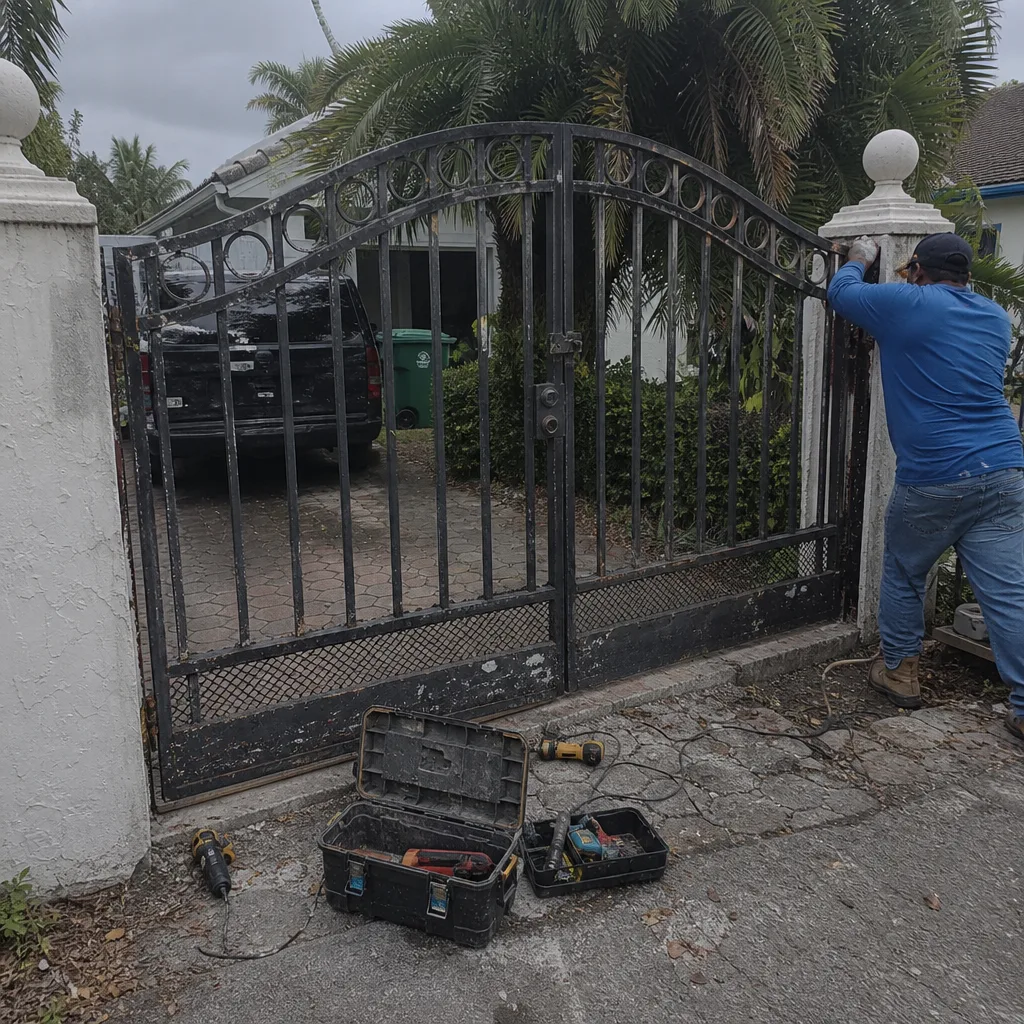 Before
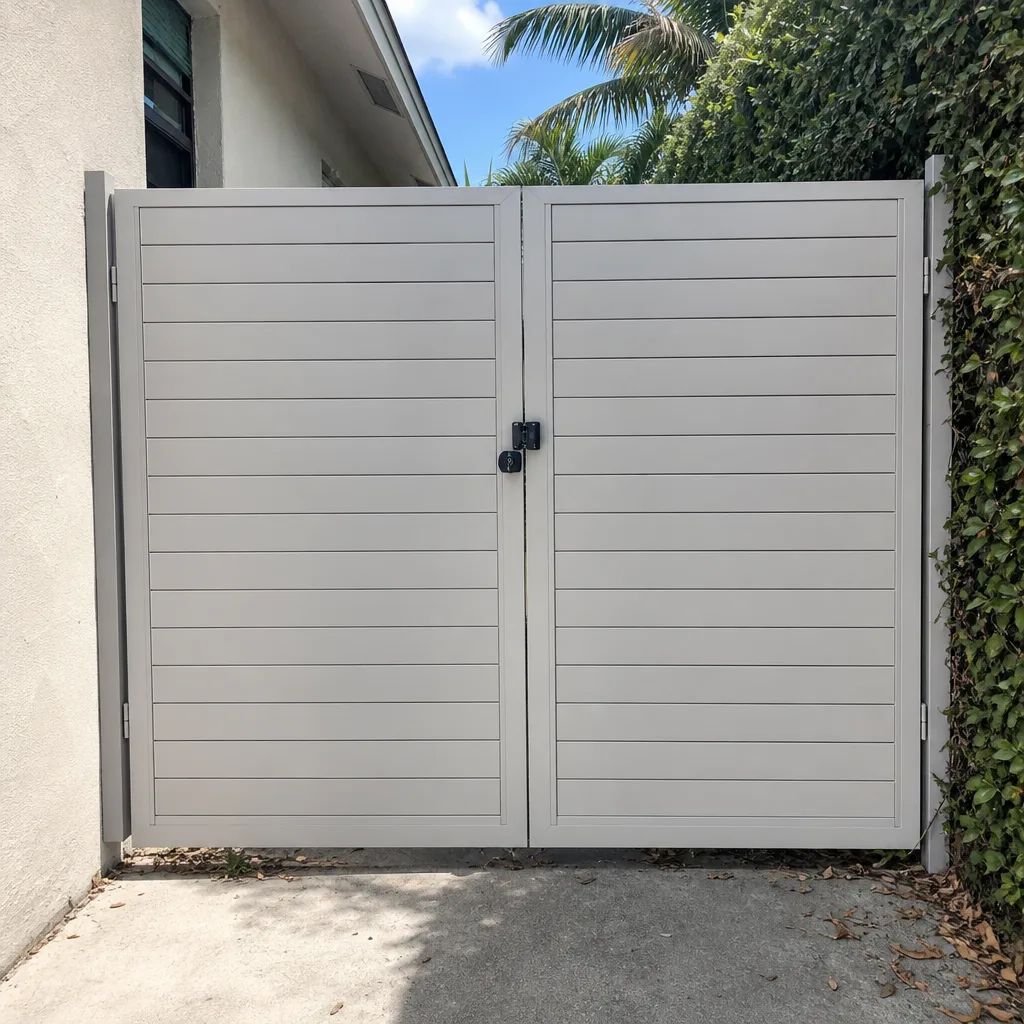 After
After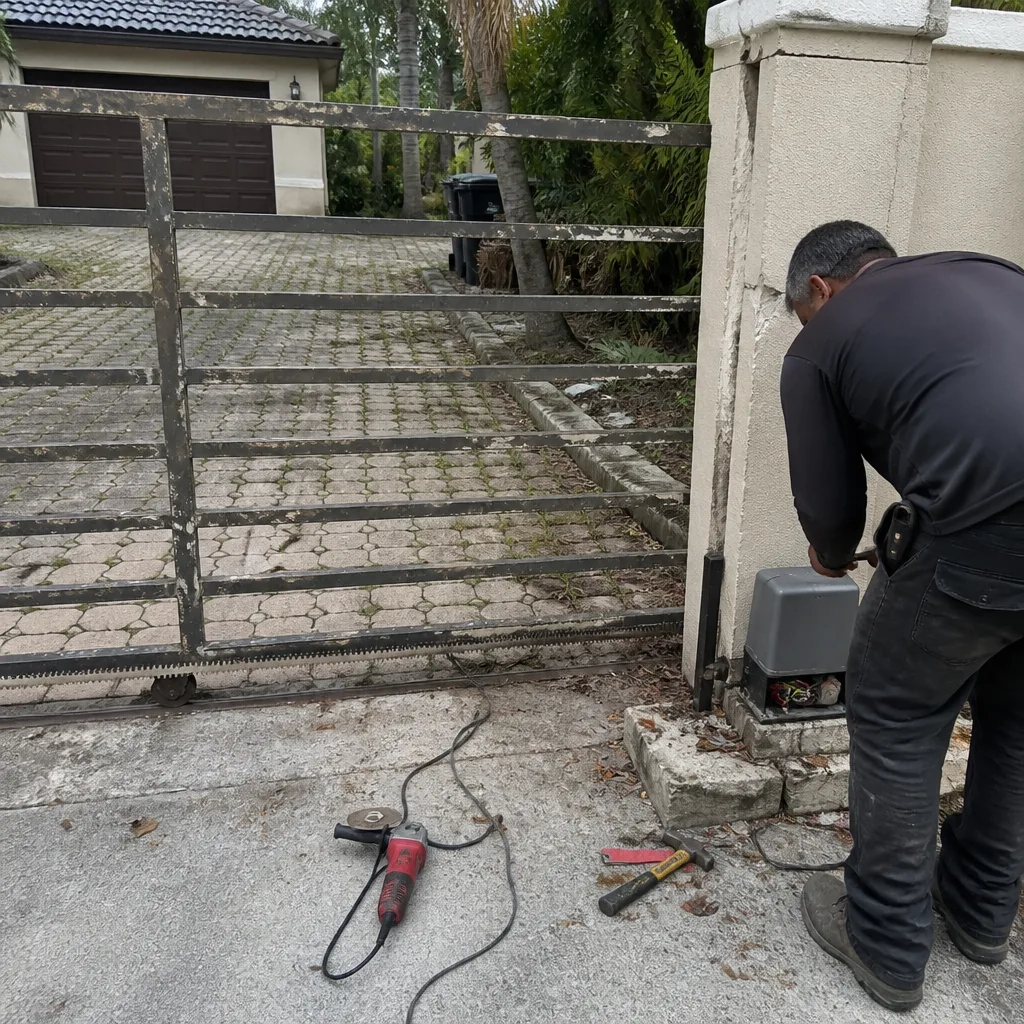 Before
 After
After Before
 After
After